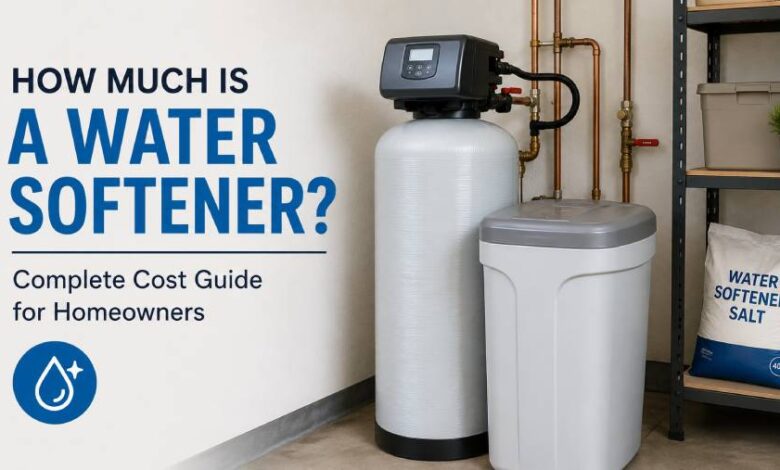
How much is a water softener? For most homeowners in the United States, a complete water softener system costs between $500 and $6,000, with the average professionally installed system costing around $1,500. Premium dealer-installed systems from brands such as Culligan can cost considerably more depending on equipment, installation, and service plans. The right price depends on your home’s water hardness, household size, plumbing setup, and the type of system you choose. In this guide, I’ll explain what actually affects the price, where homeowners commonly overspend, and how to choose a system that fits both your water quality and your budget.
What Is a Water Softener and Why Do Homeowners Install One?
A water softener is a whole-house water treatment system that removes or reduces hard water minerals such as calcium and magnesium before they travel through your plumbing. From years of working around residential plumbing systems, I’ve seen hard water shorten the lifespan of water heaters, dishwashers, washing machines, faucets, and showerheads by leaving mineral scale inside pipes and appliances. A properly sized water softener helps reduce scale buildup, improves soap performance, leaves dishes cleaner, helps clothing stay softer, and can reduce maintenance costs over time in areas with moderate to very hard water.
How Much Is a Water Softener?
The typical water softener cost ranges from $500 to $6,000 installed, although luxury dealer-installed systems can exceed $10,000 depending on capacity, filtration options, warranties, and service packages. Basic single-tank ion exchange units generally fall between $500 and $1,700, while dual-tank systems usually cost $1,000 to $5,000 installed. Salt-free conditioners commonly range from $800 to $4,000, and magnetic or electronic conditioners usually cost $200 to $600. Prices vary significantly by region, plumbing complexity, water hardness, and local labor rates. Independent installers often charge less than national dealerships.
What Affects Water Softener System Cost?
Several factors determine your final water softener system cost, and the equipment itself is only part of the total investment. Larger homes require higher grain-capacity systems because they use more water each day. Water hardness, measured in grains per gallon (GPG), influences system size and regeneration frequency. Additional plumbing work, drain connections, electrical outlets, permits, bypass valves, sediment pre-filters, and whole-house carbon filtration can all increase installation costs. Homes with well water may also require iron removal or additional treatment equipment before installing a standard softener.
Water Softener Installation Costs
Professional installation typically costs between $200 and $600 for straightforward projects, although installations requiring pipe relocation, electrical work, framing changes, or permit requirements can cost considerably more. I generally recommend professional installation for whole-house systems because incorrect drain routing, bypass valve installation, or programming can reduce performance and shorten equipment life. After installation, homeowners should verify water hardness with a test kit to confirm the system is correctly adjusted instead of assuming factory settings match local water conditions.
Ongoing Maintenance and Operating Costs
Owning a water softener also means budgeting for routine maintenance. Most salt-based systems require 40-pound bags of salt costing roughly $5 to $10 each, with many families using one or two bags per month depending on water consumption and hardness. Annual operating costs generally range from $60 to $200 for sodium-based systems, while potassium chloride alternatives cost significantly more. Resin typically lasts 10 to 15 years under normal conditions, although high chlorine or iron levels may shorten its lifespan. Regular inspections, occasional cleaning of the brine tank, and keeping salt at the proper level help maintain consistent performance.
DIY Installation vs Hiring a Professional
Experienced DIY homeowners with plumbing knowledge can sometimes install a basic system and save several hundred dollars in labor, but whole-house water treatment is rarely a beginner project. You’ll need to cut into the main water supply, install shutoff valves, connect drain lines, program regeneration settings, and verify there are no leaks before placing the system into service. If your home uses well water, has older plumbing, or requires electrical modifications, hiring a licensed plumber is usually the safer and more reliable choice. Water damage from an incorrectly installed system can cost far more than professional installation.
Best Water Softeners and Understanding Culligan Prices
Many homeowners researching the best water softeners compare big-box brands with dealer-installed systems such as Culligan. Retail systems often provide excellent value for homes with straightforward plumbing, while premium dealer packages may include customized water testing, installation, warranties, maintenance plans, and local service. Publicly available pricing shows some professionally installed Culligan systems commonly falling around $5,000, although larger treatment packages with additional filtration may cost substantially more depending on configuration. Because pricing varies by dealer, location, and water conditions, homeowners should obtain written quotes from multiple companies before making a decision.
How to Choose the Right Water Softener for Your Home
Choosing the right system starts with understanding your water instead of simply buying the largest unit available. A certified water test should identify hardness, iron, manganese, chlorine, and other water quality concerns before selecting equipment. Household size, daily water usage, available installation space, and desired maintenance level should also influence your decision. Dual-tank systems work well for larger families because they continue supplying softened water while one tank regenerates, whereas smaller households often find single-tank systems more economical. Selecting the correct grain capacity helps avoid unnecessary regeneration cycles while extending resin life.
Is a Water Softener Worth the Cost?
For homes with genuinely hard water, a water softener can be a worthwhile long-term investment because it reduces mineral buildup that damages plumbing fixtures and water-using appliances. Many homeowners also notice cleaner glassware, softer laundry, improved soap lather, and reduced cleaning time around sinks and showers. Although savings vary by household and no installer can guarantee a specific financial return, reducing scale inside water heaters and plumbing systems may lower maintenance needs over the life of the home. The greatest value usually comes from buying the correctly sized system instead of the most expensive model.
Conclusion
Knowing how much is a water softener involves more than comparing equipment prices. The total water softener system cost depends on water hardness, home size, installation requirements, maintenance needs, and the type of system you choose. For many homeowners, spending between $1,000 and $2,000 on a properly sized professionally installed unit offers the best balance of performance, reliability, and long-term value. Before purchasing, always begin with a certified water test, compare multiple installation quotes, and choose equipment that matches your home’s actual water conditions instead of buying solely on price.
Also read: Fire Compartmentation Survey: Complete Guide to Building Fire Safety and Compliance
FAQs
How much does a water softener cost for an average home?
Most average homes spend between $1,000 and $2,000 for a professionally installed water softener, although total costs vary depending on system type, capacity, and local labor rates.
Are Culligan prices higher than other brands?
Culligan systems are often more expensive because pricing commonly includes professional installation, warranties, ongoing service, and customized water treatment solutions, although costs vary by dealer and location.
How long does a water softener last?
A quality water softener typically lasts 10 to 15 years with regular maintenance, proper salt levels, periodic cleaning, and water conditions that do not excessively damage the resin.
Can I install a water softener myself?
Experienced DIY homeowners can install some systems, but whole-house installations require plumbing knowledge, proper drain connections, leak testing, and system programming to ensure reliable operation and safety.
What size water softener do I need?
The correct size depends on household occupancy, daily water usage, and local water hardness measured in grains per gallon after completing an accurate water quality test.
Does a salt-free system actually soften water?
No. Salt-free systems generally condition water to reduce scale formation rather than removing calcium and magnesium through ion exchange like traditional water softeners.